L&TD articles on organizational training and development, ranging from talent development strategies and learning programs to assessing the impact of learning. Content created from the perspective of an experienced human resources consultant.
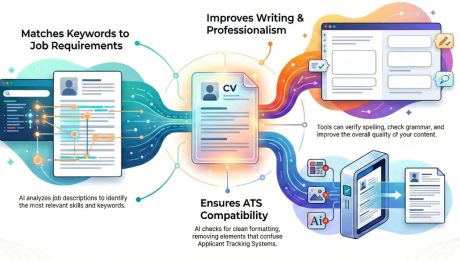
Learn how to write a ATS friendly CV in 2026. This CV writing guide walks you through the process of writing a CV and it contains suggestions, examples, tips, and ATS optimization strategies to help job seekers land interviews and identify matching keywords to transform responsibilities into accomplishments and quantifiable achievements.
What is your learning style?This article examines the advantages and disadvantages for learners and educators when matching their learning with a learning style. Learning styles might be included in a learning plan more as a personal preference than a really useful learning tool. General agreement is that alternating learning styles and methodologies will serve learners more than learning only with their preferred learning style.
What is talent? Talent is a word everyone uses but few define consistently. It can mean natural ability, high potential, specific competencies, or simply the right fit for a role and often all of these at once. Business leaders define it differently depending on their needs, but the underlying goal is always the same: transforming potential into outstanding performance.
Comments Off on Talent Development: Unlock And Grow Your Hidden Potential
To provide the best experiences, we use technologies like cookies to store and/or access device information. Consenting to these technologies will allow us to process data such as browsing behavior or unique IDs on this site. Not consenting or withdrawing consent, may adversely affect certain features and functions.
Functional Always active
The technical storage or access is strictly necessary for the legitimate purpose of enabling the use of a specific service explicitly requested by the subscriber or user, or for the sole purpose of carrying out the transmission of a communication over an electronic communications network.
Preferences
The technical storage or access is necessary for the legitimate purpose of storing preferences that are not requested by the subscriber or user.
Statistics
The technical storage or access that is used exclusively for statistical purposes.The technical storage or access that is used exclusively for anonymous statistical purposes. Without a subpoena, voluntary compliance on the part of your Internet Service Provider, or additional records from a third party, information stored or retrieved for this purpose alone cannot usually be used to identify you.
Marketing
The technical storage or access is required to create user profiles to send advertising, or to track the user on a website or across several websites for similar marketing purposes.